
Why Thunderhead Mountain Is a Must-Hike in the Great Smoky Mountains
Thunderhead Mountain rises to an impressive 5,527 feet, straddling the Tennessee-North Carolina state line inside Great Smoky Mountains National Park. As one of the tallest peaks in the park, Thunderhead Mountain offers a remote alternative to the more popular Clingmans Dome or Mount Le Conte. Its panoramic views, rich biodiversity, and peaceful trails provide a rewarding experience for those seeking quieter paths through the Smokies.
Whether you’re a local searching for a fresh weekend adventure or a visitor hoping to connect with the heart of Appalachia, Thunderhead Mountain delivers. Its location along the legendary Appalachian Trail, meadows filled with wildflowers, and cultural ties to Cherokee heritage make this hike more than a summit—it’s a soulful glimpse into Southern mountain life.
How to Reach Thunderhead Mountain: Best Route Options
The most frequented and direct way to hike Thunderhead Mountain is via the Anthony Creek Trail to Bote Mountain Trail, with the Appalachian Trail (AT) guiding you to the summit. This out-and-back hike spans roughly 13.5 miles round-trip, gaining over 3,600 feet in elevation. While challenging, it rewards well-prepared hikers with scenic variety and solitude rarely found on shorter trails.
Begin your journey at the Cades Cove Picnic Area, complete with parking and restrooms—ideal for early starts. The gentle climb along Anthony Creek spans 3.5 miles through mossy forest floors and vibrant rhododendron thickets. It’s a wide and welcoming trail, suitable for novice hikers or active families who are comfortable with distance hiking.
At the fork with Bote Mountain Trail, the incline sharpens. This 1.7-mile segment winds through dense hardwoods and, in spring, bursts with flame azaleas and pink lady’s slippers. Shortly after, Spence Field greets hikers with open, grassy balds and sweeping vistas—a picturesque welcome to the Appalachian Trail.
From Spence Field, it’s just 1.2 rugged miles on the AT to Thunderhead Mountain. Though the true summit is forested, a rocky outcropping just before—called Rocky Top—is the hike’s crown jewel. As the inspiration for Tennessee’s fight song, it offers unobstructed 360-degree views across the Smokies. Plan to linger and soak in the view—it’s well earned.
Best Time to Hike Thunderhead Mountain: Seasonal Tips
Spring (April–June) is a favorite for wildflower fans. Thunderhead Mountain’s trail corridor is flush with trillium, bloodroot, and spring beauty, painting the forest floor in soft hues. Cool temperatures make hiking more enjoyable, though afternoon showers are common—carry a light rain jacket.
Summer promises lush greenery and longer daylight hours. Expect increased humidity and insects, so pack insect repellent and extra water. Start your hike early to beat the heat and afternoon thunderstorms.
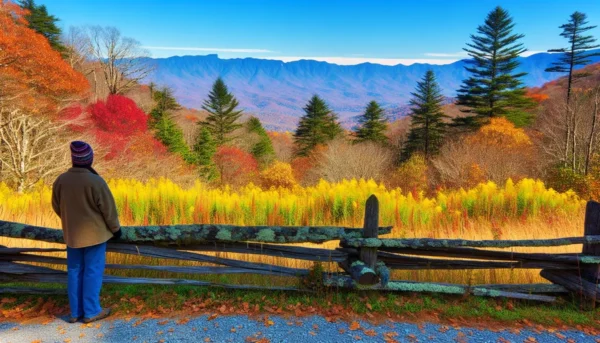
Fall (September–November) brings cooler air and brilliant foliage. With fewer crowds scaling Thunderhead Mountain compared to surrounding peaks, this season offers vibrant views and a tranquil trail experience perfect for photography enthusiasts and solitude seekers.
Winter hikes promise peaceful trails and clear vistas—but they come with risks. The Appalachian Trail near the summit can ice over. Poles, microspikes, and layered clothing are musts for anyone tackling Thunderhead Mountain in the off-season.
What to Pack for a Thunderhead Mountain Adventure
A successful Thunderhead Mountain hike depends on smart preparation. Though popular among avid hikers, the trail’s length and elevation demand both physical fitness and practical gear.
- Footwear: Sturdy hiking boots with ankle support are essential. Trails often become rocky and slick, especially after rain.
- Water: Each hiker should carry a minimum of 3 liters. If collecting from Anthony Creek, use a purifier or filter.
- Food: Pack calorie-dense snacks and a lunch. Rocky Top makes an ideal spot to refuel.
- Navigation: Although trails are signed, carry a paper map (Trails Illustrated #316) or a GPS app like Gaia or AllTrails with offline maps.
- Clothing: Dress in layers made of moisture-wicking fabric. Thunderhead Mountain’s weather changes rapidly with elevation.
- Permits: Day hikes require no permits. However, overnight campers on the Appalachian Trail must reserve shelter spots through the official park website.
Above all, follow Leave No Trace ethics. Thunderhead Mountain’s ecosystem is fragile. Stay on trails, keep noise levels low, and pack out all trash to preserve this pristine area.
Hidden Highlights and Insider Tips
Veteran hikers of the Smokies often say Thunderhead Mountain is more about the journey than the destination. Enhance your route with these local tips and trail treasures:
- Spring Creek Rockslide: Midway up Anthony Creek Trail, take a break at a quiet outcrop by the stream. In spring, it erupts in blossoms and makes for peaceful photos.
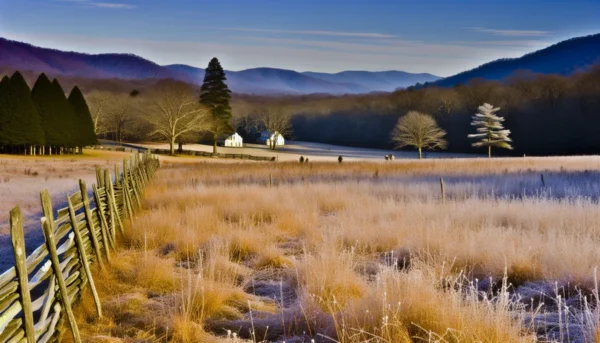
- Spence Field Meadows: Don’t rush past—this rare high-elevation meadow glows gold at sunrise. It’s also a known bear habitat, so hike aware.
- Golden-Hour Descent: Aim to start later in the day and descend by twilight. Bring a headlamp and you’ll be rewarded with golden hour over Cades Cove.
- Townsend Refuel: After your hike, treat yourself in nearby Townsend at Smokin’ Joe’s or grab a local brew at Peaceful Side Social Brewery.
- Overnight Adventure: Book the Derrick Knob Shelter on the AT, 2.7 miles east of the summit, for a fantastic sunrise over Thunderhead Mountain.
More to Explore Near Thunderhead Mountain
While Thunderhead Mountain is worthy of a full day’s effort, the surrounding region offers just as much post-hike allure. Recover and explore with these nearby attractions:
- Cades Cove Loop Road: This scenic 11-mile drive features historic churches, pioneer cabins, and wild deer sightings—perfect for relaxed forest immersion.
- Abrams Falls Trail: A scenic 5-mile out-and-back hike through old-growth forest to a powerful 20-foot waterfall. It’s gentle on tired legs and easy to access from Cades Cove.
- Great Smoky Mountains Heritage Center: Located in Townsend, this engaging museum features exhibits on Cherokee culture and Appalachian settler life—great for families or history enthusiasts.
These nearby experiences continue the magic of your Thunderhead Mountain journey: peaceful, inspiring, and rooted in mountain heritage.
Ready for Thunderhead Mountain?
Thunderhead Mountain is more than just a high point—it’s an experience that encapsulates everything special about the Great Smoky Mountains. With vibrant trails, sweeping valleys, and far fewer crowds, this hike combines challenge and peace in equal measure.
Bring a spirit of adventure, lace up your boots, and step into the clouds. Whether you’re chasing sunrise at Rocky Top or discovering wildflowers along Anthony Creek, Thunderhead Mountain promises a soul-stirring Appalachian escape you won’t forget.


















Share This Page