Why Are They Called the Smoky Mountains?
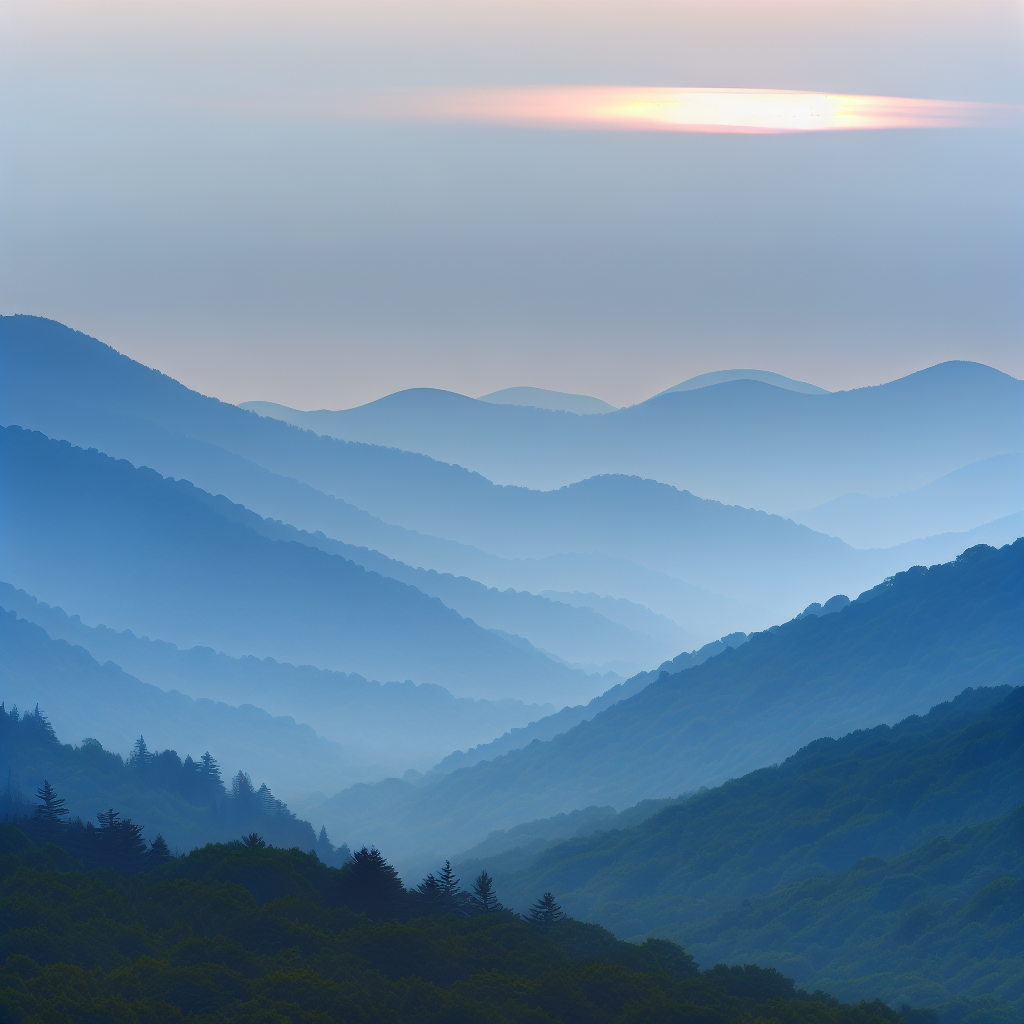
Why are they called the Smoky Mountains? If you’ve ever driven into Great Smoky Mountains National Park from Gatlinburg or Cherokee, you’ve likely marveled at the dreamy mist that clings to the peaks and valleys of this legendary Appalachian landscape. That rolling haze isn’t smoke from fire or pollution—it’s rooted in the natural magic of the region’s ancient forests and unique climate. Once you understand what causes the smoke-like effect, your visit to the Smokies becomes much more than a scenic road trip—it becomes a deeper journey through nature, history, and wonder.
Whether you’re a family plotting a nature-filled getaway, a solo hiker chasing sunrise from Clingmans Dome, or a photographer in search of the perfect misty frame, knowing what creates that iconic haze will bring the entire experience into sharper focus. Let’s uncover the science and heritage behind the name: Smoky Mountains.
The Science Behind the Smoky Mountains’ Mist
The mystery of why they are called the Smoky Mountains is answered through an invisible but potent force—volatile organic compounds (VOCs). These naturally occurring compounds are released by the vast variety of trees blanketing the landscape, including oaks, poplars, and sweetgums.
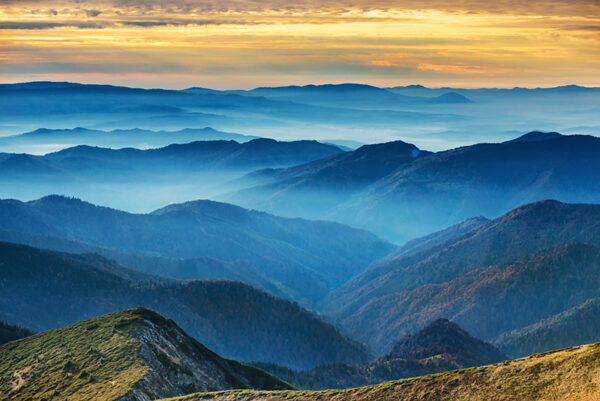
On warm, humid days, VOCs evaporate and interact with sunlight. This reaction scatters blue light, creating the region’s iconic bluish haze—a visible and ethereal curtain of “smoke” that drapes the mountains daily. Combined with water vapor from the park’s abundant rainfall, creeks, and rivers, the result is a surreal atmosphere that earned the mountains their name.
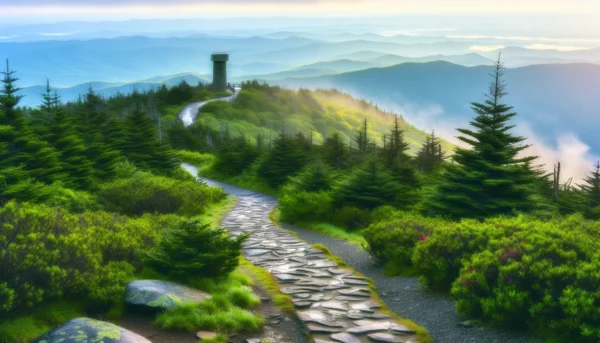
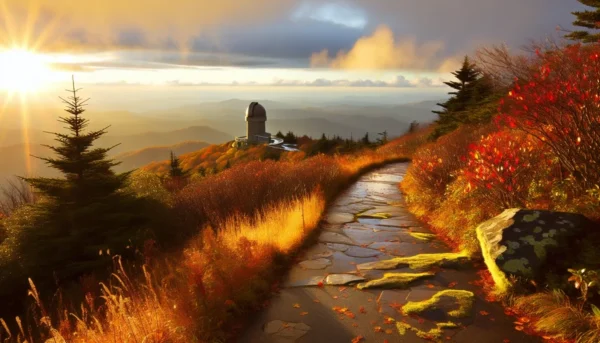
For a front-row seat to this phenomenon, take in the view from Clingmans Dome—the park’s highest peak at 6,643 feet. Just after sunrise, the landscape often looks dipped in watercolor blues. The accessible half-mile walk to the observation tower is steep but paved, making it suitable for families and casual hikers alike. The 360-degree views are more than worth the effort.
Cultural and Historical Roots of the Name
Long before scientific explanations existed, the Cherokee people gave the area a name that spoke from the heart: “Shaconage,” or “land of blue smoke.” This poetic term beautifully captures what visitors still see today, and it reflects the deep spiritual connection Native communities have with the land.
To learn more about this rich heritage, visit the Oconaluftee Visitor Center near Cherokee, NC. Adjacent to it, the Mountain Farm Museum offers a hands-on glimpse into 19th-century Appalachian life. Interpretive programs and exhibits help explore how the Cherokee viewed mist as part of a living world—not just weather, but a spiritual sign woven into daily life.
Where to See the Mist in Real Time
If you’re eager to witness the Smoky Mountains’ namesake haze in its full glory, timing and location are key. Early mornings and late afternoons, especially in summer or after rainfall, reveal the most dramatic displays. Spring blooms and fall foliage only enhance the contrast between land and mist.
- Newfound Gap Road: This 33-mile drive offers several high-elevation pull-offs. Morton Overlook shines just before sunset—less crowded but no less breathtaking.
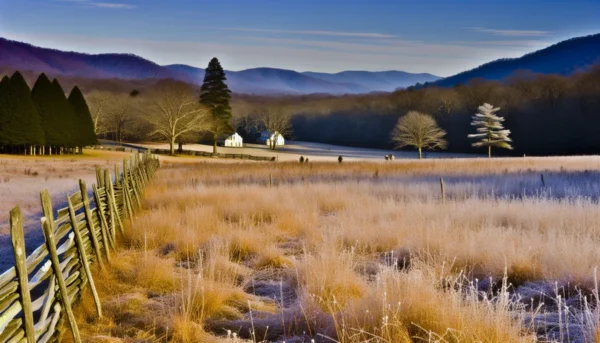
- Cades Cove: Arrive early to see morning mist roll over open meadows. Wildlife often emerges at dawn, offering scenic and serene photo ops. Car-free days in summer make it a bicyclist’s paradise.
- Mount Le Conte: Reachable via the Alum Cave Trail, this summit rewards ambitious hikers with sweeping cloud-capped vistas. An overnight stay at LeConte Lodge immerses visitors in the very essence of the Smokies’ mist.
So, why are they called the Smoky Mountains? You can see the answer unfold with every trail and overlook—mystery transformed into something tangible.
Hidden Misty Spots Locals Love
While popular locations offer easy access to the haze, locals know that some of the most enchanting “smoky” moments happen off the beaten path. These less-traveled areas promise solitude, rich scenery, and deeper connections to the spirit of the Smokies.
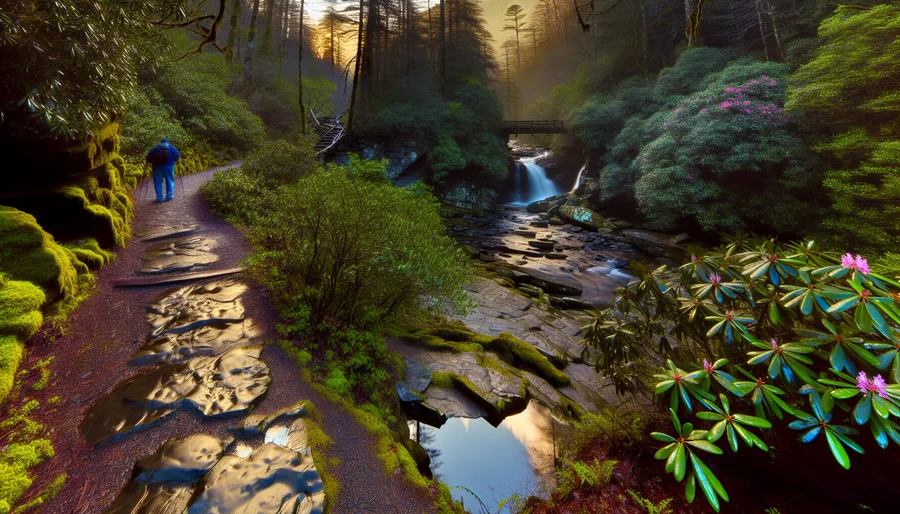
- Spruce Flats Falls: Near the Tremont Institute, this 1.8-mile roundtrip trail leads to a secluded waterfall often wrapped in mist. It’s a hidden gem ideal for families or casual hikers.
- Greenbrier: Just east of Gatlinburg, it’s home to Porters Creek Trail and renowned for spring wildflowers and misty mornings in forested coves. With fewer crowds, it’s a peaceful experience.
- Purchase Knob: Found in the Cataloochee area, this subalpine meadow offers sweeping vistas and frequent elk sightings. Road access varies by season, but the reward is solitude above the clouds.
Dress in layers—mornings tend to be cool and damp. Waterproof shoes and a warm beverage go a long way in turning chilly starts into unforgettable mornings amid the mist.
Ways to Immerse Yourself in the “Smoky” Experience
Want more than just a view? There are plenty of ways to interact with the landscape and live out the real answer to why are they called the Smoky Mountains.
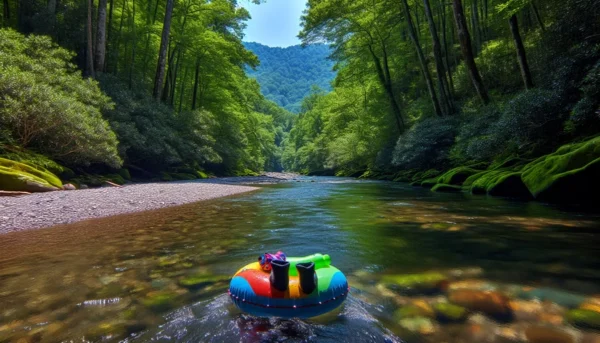
Try paddling the Little River near Townsend, TN, in the early morning—silky mist floats on the surface, and peace envelopes every ripple. Several local outfitters, including Smoky Mountain Outdoors, offer guided kayak or tubing adventures.
For educational fun, families can join ranger-led mist walks from centers like Sugarlands Visitor Center. These walks share how flora, geography, and weather come together to produce the Smoky effect. Looking for more adventure? Backpack a section of the Appalachian Trail within the park. Spending a night at high elevation nearly guarantees a sunrise enveloped in low-hanging clouds.
Photography enthusiasts should explore Roaring Fork Motor Nature Trail just after dawn. The soft, diffused light and layered mountain views make it a prime location for capturing the Smokies at their most photogenic.
The Enduring Magic of the Smokies
Why are they called the Smoky Mountains? The name rises from an extraordinary mix of science, Native wisdom, and environmental beauty. That bluish mist is no trick of the eye—it’s a product of the region’s ancient, biodiverse forest ecosystem interacting with its mild rainforest climate. It’s as real as the rock beneath your feet and as poetic as the lore passed down through generations.
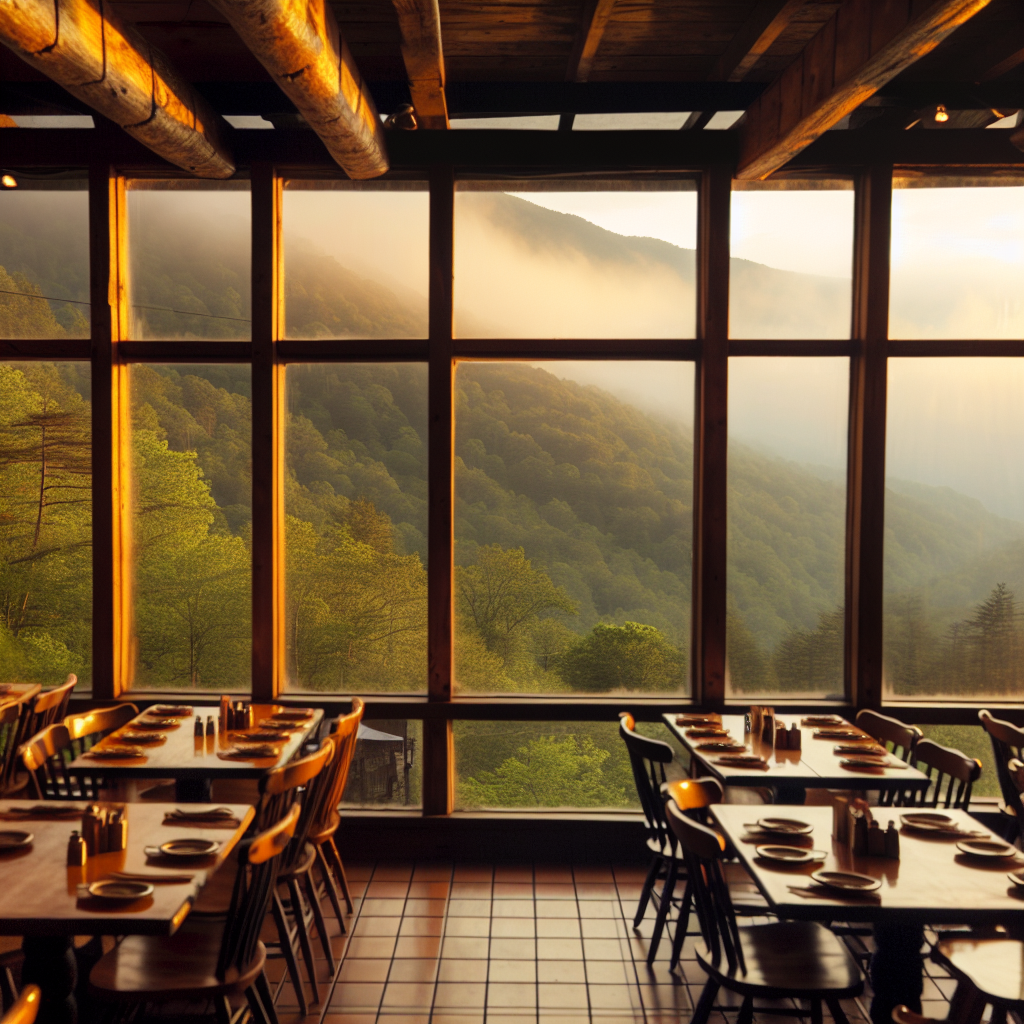
When you visit, pause at a scenic overlook. Watch the crescents of fog curl over ridgelines like breath from the living Earth. Whether you’re navigating winding drives, chasing waterfalls, or waking up in a mountain lodge above the mist, your journey into the Smoky Mountains is also a step into something timeless, sacred, and beautifully unexpected.









Share This Page