Smoky Mountains Wildlife: A Guide to Iconic Animals of the Region
Smoky Mountains wildlife is one of the most treasured features of Great Smoky Mountains National Park. From misty peaks to wildflower-filled meadows, this biodiverse haven offers visitors the chance to experience nature in a raw and unfiltered way. Whether you’re on a family getaway, solo hike, or scenic road trip, spotting wildlife in the Smokies adds unforgettable excitement to your adventure.
This comprehensive guide will help you discover where to find black bears, elk, white-tailed deer, wild turkeys, and more. With expert tips and insight into animal behavior, you’ll be equipped to observe Smoky Mountains wildlife safely and respectfully.
Best Places to See Black Bears in the Smokies
The American black bear is the most iconic of Smoky Mountains wildlife. With about 1,500 bears living in the park, you have good odds of seeing one, especially between April and October during active feeding months.
Cades Cove tops the list for bear viewing. The 11-mile loop road winds past fields and forests where bears are often seen at dawn or dusk. Arriving early increases your chance of an encounter while beating the crowds.
Another bear hotspot is the Roaring Fork Motor Nature Trail outside Gatlinburg. This one-way, 5.5-mile drive through dense woodland offers access to creeks and old homesteads, a favorite habitat for foraging bears. Cooler times of day are most fruitful for sightings here.
For hikers, the Trillium Gap Trail to Grotto Falls and the Gregory Bald Trail are bear activity zones, especially in summer when berry bushes attract hungry animals. Always stay at least 50 yards away, carry bear spray, and never attempt to feed wildlife.
Where to See Elk, White-Tailed Deer, and Turkeys
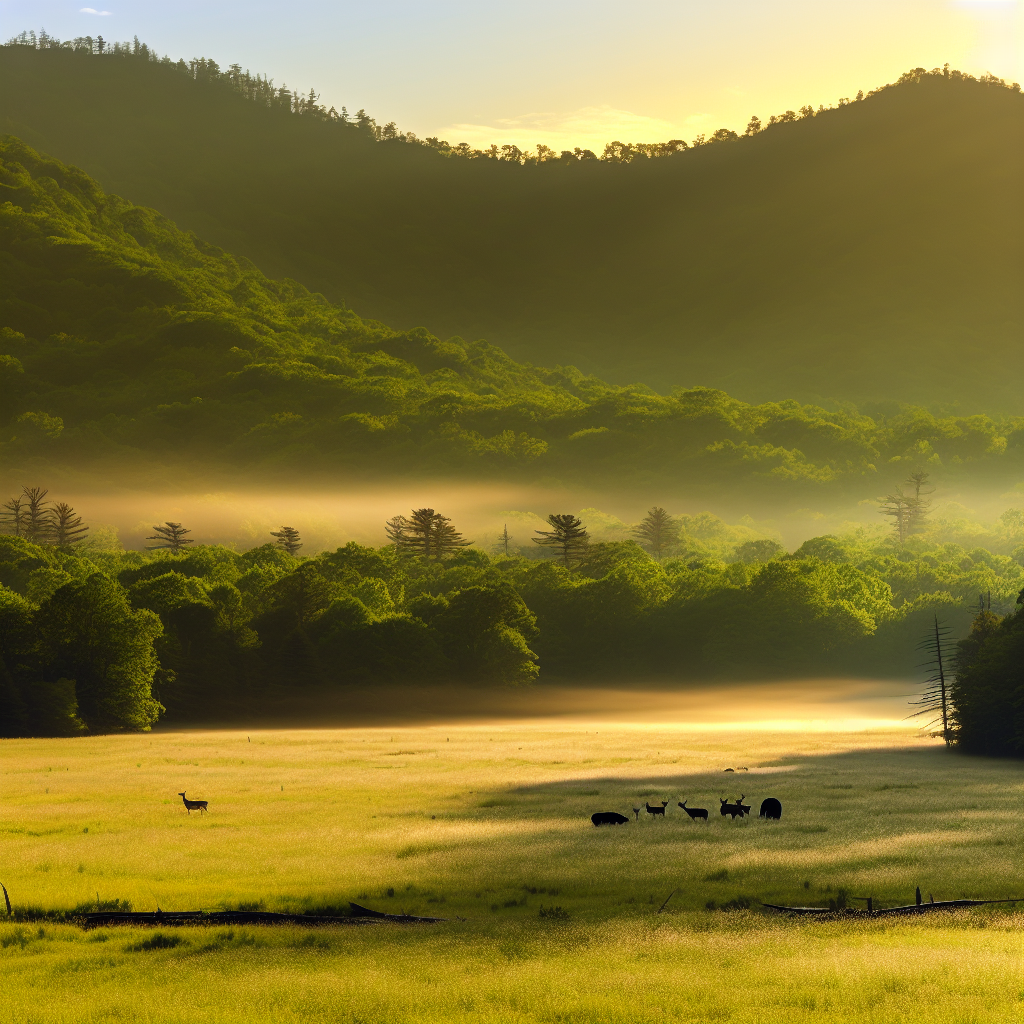
White-tailed deer are another common sight among Smoky Mountains wildlife. They often roam valleys like Cades Cove and fields near the Oconaluftee Visitor Center or Cataloochee Valley, particularly at sunup and sundown.
Cataloochee Valley is also home to a growing population of elk. Reintroduced in 2001, they are frequently spotted in open meadows during early morning and evening hours. If you visit during September or October, you may hear bulls bugling during the breeding season, a unique and haunting experience.
In spring, keep your eyes peeled for wild turkeys strutting their stuff to attract mates. You’ll find them along Foothills Parkway and Newfound Gap Road. Their fan-shaped tails and bold “gobble” calls are a sure sign you’ve found one.
More Smoky Mountains Wildlife to Watch For
Birds, amphibians, and smaller mammals also make up the incredible range of Smoky Mountains wildlife. Over 200 species of birds call the park home. On trails like Porters Creek or along Clingmans Dome Road, look for pileated woodpeckers, chickadees, and vibrant warblers, especially during migration season.
To glimpse river-dwellers like beavers and river otters, follow Little River Road near Elkmont or visit the Oconaluftee River Trail. These mammals are most active at dawn and dusk—bring your patience and your binoculars.
Known as the “Salamander Capital of the World,” the park boasts over 30 salamander species. Look beneath logs and near wet areas along the Deep Creek Loop or Kephart Prong Trail, especially after it rains. The elusive red-cheeked salamander is a local favorite to spot.
In spring and summer, butterflies dance among wildflowers in the Sugarlands Visitor Center gardens and around Cades Cove. Watch for monarchs, swallowtails, and fritillaries. These areas are perfect spots for families to explore nature together.
Take a Guided Wildlife Tour or Visit a Learning Center
To deepen your understanding of Smoky Mountains wildlife, consider joining a guided tour. Outfitters like Smoky Mountain Adventure Tours and the Great Smoky Mountains Association offer wildlife-focused excursions, from early morning drives to expert-led photography sessions.
Visit the Oconaluftee Visitor Center in Cherokee, NC, or the Sugarlands Visitor Center in Gatlinburg, TN, for free learning exhibits, wildlife displays, and ranger-led activities such as nature walks and junior ranger programs for kids.
Each April, the park hosts Smokies’ Wildlife Weekend, a family-friendly event jam-packed with animal walks and talks. It’s a perfect introduction to the world of amphibians, birds, reptiles, and mammals that inhabit the Smokies.
Pro Tips for Spotting Wildlife Like a Local
- Go at Golden Hours: Arrive before sunrise or stay until dusk, when animals are most active and crowds are minimal.
- Skip the Busy Season: Quiet months like April, early May, and late fall provide peaceful conditions ideal for spotting Smoky Mountains wildlife.
- Use Scenic Back Roads: Try Rich Mountain Road or Forge Creek Road near Cades Cove for lower traffic and better viewing.
- Bring Proper Gear: A pair of binoculars and a lightweight field guide help identify distant animals while maintaining respectful distance.
- Follow Park Rules: Use a zoom lens for photos and always stay at least 50 yards away from bears, elk, and other large wildlife.
Before heading out, check in at a visitor center or ranger station for the latest wildlife reports. Park rangers can direct you to where sightings have recently occurred and offer updated safety tips.
Connecting Wildlife Watching with Cultural History
Smoky Mountains wildlife viewing becomes even more meaningful when paired with the area’s human heritage. Sites like Cataloochee Valley, Elkmont’s ghost town, and Cades Cove’s historic buildings bring the past to life, showing how early settlers lived in harmony with the same animals you’re now observing.
Visit Mingus Mill and the Mountain Farm Museum near Cherokee to learn how people once farmed, cooked, and preserved food in this storied Appalachian landscape. While educating yourself on pioneer life, you may also see deer, turkeys, or squirrels nearby—linking natural wonder with cultural exploration.
Experience the Magic of Smoky Mountains Wildlife
Every Smoky Mountains visit offers the potential for wild encounters, from a bear quietly foraging near a trail to the cry of elk echoing through morning mist. By traveling with awareness, respect, and a bit of curiosity, you’ll witness the untamed spirit that defines the park.
Your wildlife adventure begins with preparation. Choose less-traveled trails, carry essential gear, and remain alert. Smoky Mountains wildlife is out there—thriving, evolving, and waiting to be discovered by those who tread gently and pay attention to the wild heartbeat of the mountains.

















Share This Page