
Why Start at a Smoky Mountains Visitor Center?
A Smoky Mountains visitor center is the smartest starting point for any trip into Great Smoky Mountains National Park. Whether you’re planning your first hike or coming back for a favorite trail, these centers provide essential tools for a successful adventure. They offer ranger expertise, real-time trail updates, educational exhibits, and access to cultural programs—all in one convenient stop. Choosing the right location depends on what kind of experience you’re after, but starting at one ensures a more informed, enjoyable journey.
Sugarlands Visitor Center: Best for First-Time Visitors and Families
Located just two miles south of Gatlinburg, the Sugarlands Visitor Center is the most accessible and popular Smoky Mountains visitor center. It’s ideal for first-time visitors, offering ample parking and open year-round access. This center is the hub for those staying on the Tennessee side of the park.
Inside, families will find wildlife displays, interactive exhibits, and a 20-minute orientation film. There’s even a life-size black bear exhibit that kids love! Rangers help visitors choose hikes like Cataract Falls Trail—an easy, one-mile loop starting directly behind the center. For waterfall enthusiasts, scenic sites like Laurel Falls are a short drive away and perfect for a half-day adventure.
Insider Tips:
- Arrive before 10 a.m. for the best trail access and lighter crowds.
- Pick up a Junior Ranger activity book to engage young explorers and earn badges.
Essential Hiking Boots for Your Adventure Shop on Amazon


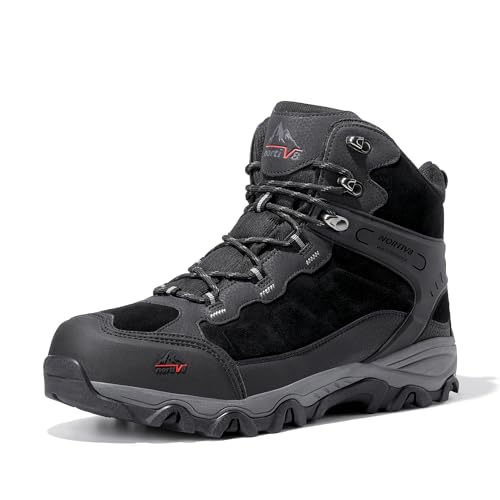


As an Amazon Associate I earn from qualifying purchases.
Oconaluftee Visitor Center: Appalachian History and Elk Spotting
On the quieter North Carolina side of the park, the Oconaluftee Visitor Center offers rich cultural experiences and excellent wildlife viewing. This Smoky Mountains visitor center is perfect if you’re entering from Cherokee or want a deeper sense of the park’s heritage.
Next to the Mountain Farm Museum, this center provides a window into 19th-century Appalachian life through preserved structures like barns and blacksmith shops. Elk are frequently spotted in the nearby fields, especially in early morning or late afternoon. The adjacent Oconaluftee River Trail is one of the few park trails open to pets and cyclists, making it great for families and dog lovers.
Insider Tips:
- Visit in late fall for prime elk viewing and fewer crowds—bring binoculars for better sightings.
- Shop the center’s bookstore for local crafts, field guides, and unique Appalachian souvenirs.
Clingmans Dome Visitor Contact Station: Scenic Heights and Trail Access
Clingmans Dome isn’t just the highest peak in the park—it’s also home to a seasonal Smoky Mountains visitor center alternative. This visitor contact station sits 6,643 feet above sea level and offers stunning panoramic views on clear days.
Though smaller than full-fledged centers, this station delivers big on value. Rangers share updates on weather, trail conditions, and safety tips before you tackle the half-mile (but steep) hike to the Clingmans Dome Observation Tower. The top offers 360-degree views spanning seven states. Nearby, hikers can connect to the Appalachian Trail or veer west to Andrews Bald via the scenic Forney Ridge Trail.
Insider Tips:
- Even in summer, bring a jacket—temperatures are cooler at this elevation.
- Check road conditions before your visit—Clingmans Dome Road closes December through March.
Cades Cove Visitor Center: Wildlife and Historic Charm
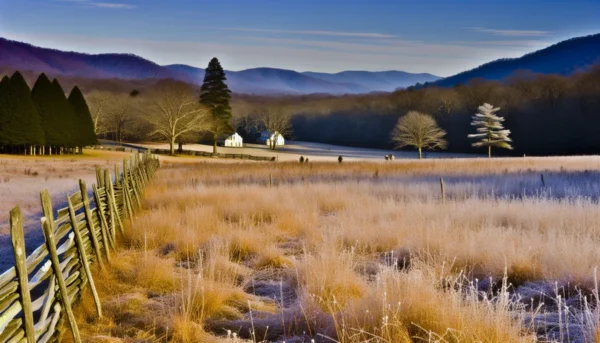
Midway through the 11-mile Cades Cove Loop Road, the Cades Cove Visitor Center offers an immersive Appalachian experience surrounded by breathtaking natural beauty. This Smoky Mountains visitor center is especially popular with wildlife watchers and history lovers.
Expect to see white-tailed deer, wild turkeys, and even black bears during early morning or evening visits. The center is located beside the Cable Mill Historic Area, where visitors can explore a working grist mill along with preserved barns and log homes. Weekly “Vehicle-Free Wednesdays” give cyclists and pedestrians exclusive access to the loop through the morning.
Insider Tips:
- Arrive at sunrise to photograph wildlife in golden light and enjoy the quiet serenity.
- Plan your loop visit on a Wednesday for a car-free cycling or walking experience.
Deep Creek Visitor Center: Waterfalls and Tubing for Family Fun
Just outside Bryson City, North Carolina, the Deep Creek Visitor Center is a seasonal gem focused on waterfalls, tubing, and easy day hikes. This smaller Smoky Mountains visitor center may be lesser-known, but it’s perfect for laid-back adventures with kids.
The nearby 2.4-mile loop passes three beautiful waterfalls—Tom Branch, Indian Creek, and Juney Whank Falls. During summer, cool off with a tubing run down Deep Creek—it’s one of the few park locations where tubing is allowed. Picnic areas and nearby tube rentals make planning a breeze.
While you’re in the area, explore Bryson City’s charming shops or hop aboard the Great Smoky Mountains Railroad for a relaxing ride through the mountains.
Insider Tips:
- Bring water shoes for tubing—creek rocks can be slippery and sharp.
- Pair your visit with a local brewery lunch or a stroll through downtown Bryson City.
Plan Your Perfect Start at a Smoky Mountains Visitor Center
Deciding which Smoky Mountains visitor center to begin with makes all the difference in your national park experience. First-time visitors will love the family-friendly facilities at Sugarlands and Cades Cove. If you crave cultural insights or elk sightings, head to Oconaluftee. For unforgettable summit views, Clingmans Dome offers unmatched panoramas. And families seeking waterfalls and tubing should put Deep Creek at the top of their list.
No matter where you start, each Smoky Mountains visitor center offers insights and expert guidance that enhance any park journey. Stop in, map your route, and make the most of your time in America’s most visited national park.

















Share This Page