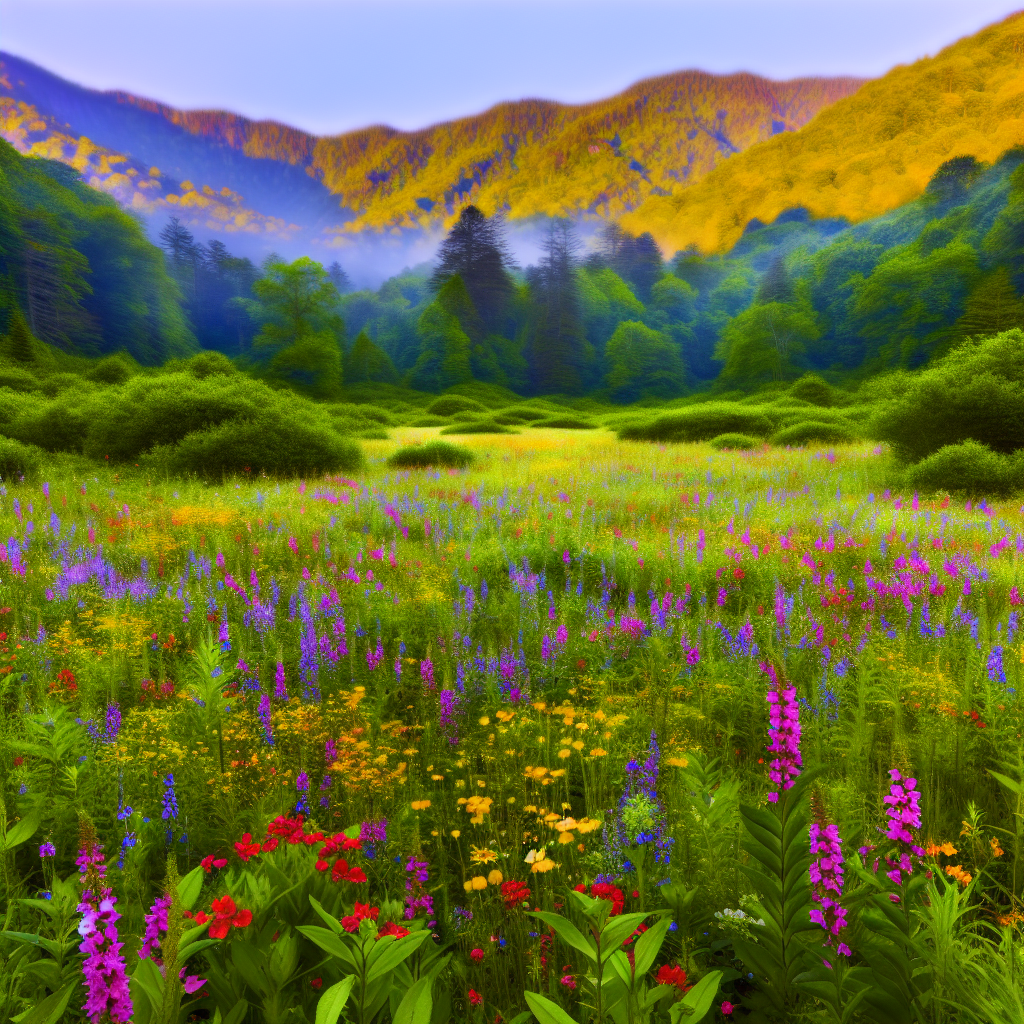
Discover the Mountains Flowers of the Smokies
The Great Smoky Mountains are a breathtaking destination where mountains flowers bloom in remarkable abundance. These Appalachian landscapes host one of North America’s richest collections of wild flora, turning trails and hillsides into living tapestries with every season. Whether you’re hiking solo, adventuring as a couple, or wrangling little explorers on a family outing, the mountains flowers of the Smokies promise captivating beauty and a deep connection to nature’s cycle.
With more than 1,500 species of flowering plants, Great Smoky Mountains National Park gives flower enthusiasts color-drenched opportunities from late winter to early fall. This guide reveals when and where to find the best displays, offering insider tips for photographers, nature lovers, and weekend wanderers alike. Ready to explore golden meadows and woodland shade gardens? Let’s dive into the world of mountains flowers that make the Smokies unforgettable.
When Do Mountains Flowers Bloom in the Smokies?
Blooms in the Smokies unfold in rhythmic waves from February through September, with the height of the season arriving between mid-April and late May. Each season brings different varieties, offering something special whenever you visit. Early spring (March–April) marks the return of ephemeral wildflowers such as bloodroot, hepatica, and trout lily. These delicate pioneers bloom before the forest canopy thickens with new leaves.
As spring deepens, dogwood trees burst with white blossoms alongside vibrant displays of fire pinks, trillium, and showy phacelia. By summer (June–August), larger, more vivid species like turk’s cap lily, black-eyed Susan, and bee balm steal the show. High elevations delay peak bloom until July, making them prime for mid-summer hikers. By September, jewelweed, goldenrods, and asters pave the way into autumn’s grandeur.
For spring breakers and summer travelers alike, understanding bloom times helps you plan unforgettable experiences with the mountains flowers that define each Smoky Mountain season.
Best Trails to See Mountains Flowers in the Smokies
Knowing when to go is key—but knowing where to go unlocks the full floral spectacle. These recommended trails combine scenery and accessibility with some of the park’s densest wildflower concentrations.
Porters Creek Trail (Greenbrier Area)
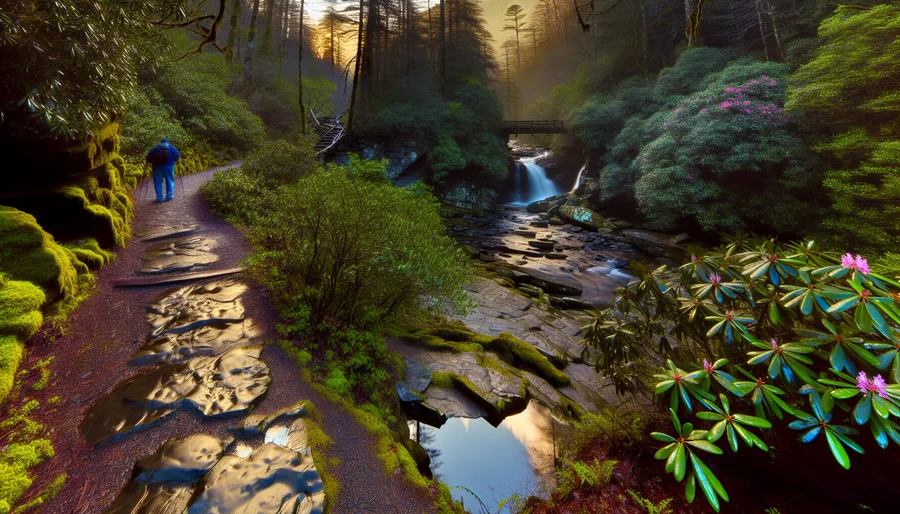
One of the most beloved hikes for spring wildflowers, this 4-mile round-trip trail in the Greenbrier section offers mountains flowers galore from March through May. Hike through carpets of white fringed phacelia, trillium, and geranium as you follow a creek past historic homestead sites and an old cemetery. The trail’s moderate grade makes it ideal for families or casual hikers—arrive early to avoid crowds.
Schoolhouse Gap Trail (Townsend Area)
This easy 2.2-mile (one-way) trail on the park’s quieter western edge shines from early April through June. Expect to find Virginia bluebells, cardinal flowers, flame azaleas, and pink lady’s slippers. A short spur to White Oak Sinks leads to a magical enclave of orchids and rare finds. Accessible and family-friendly, this trail offers one of the park’s best introductions to mountains flowers in a peaceful setting.
Chestnut Top Trail (Townsend Entrance)
Just off the Townsend Wye, this moderately steep trail bursts with flowers like dwarf cinquefoil, trillium, and wild irises in March and April. Photographers love the morning light here, especially when spring mist clings to blooms. Although steeper, the trail’s early payoff and wildflower diversity make it a worthy climb during the blooming season.
Clingmans Dome Road and Trail (High Elevation Hotspot)
If timed right, Clingmans Dome offers a colorful array of high-elevation mountains flowers from July to early August. The short but steep half-mile paved trail leads to the park’s highest viewpoint—perfect for spotting turk’s cap lilies, mountain bluets, and the rare spreading avens. Follow the Forney Ridge Trail for more alpine blossoms in cooler mountain air. Even in mid-summer, this zone continues to bloom while lower elevations fade.
Hidden Gems for Wildflower Walks Without the Crowds
Visitors often overlook lesser-known trails that showcase mountains flowers with fewer footsteps around. These local favorites offer serenity and stunning flora without the traffic.
Cosby Nature Trail
This 1-mile self-guided loop near Cosby Campground winds through several ecological zones rich with jack-in-the-pulpit, trillium, and wild ginger. The trail’s close proximity to campgrounds deters casual tourists, making weekday mornings especially tranquil for flower viewing and birdwatching combined.
Oconaluftee River Trail (Cherokee Entrance)
Running from the Oconaluftee Visitor Center into Cherokee, this wide, paved path offers a flat, stroller-friendly trek past one of the park’s best lowland wildflower corridors. In April and May, visitors often spot Solomon’s seal, bishop’s cap, and bluets peeking out between riverside ferns. Add cultural depth with a visit to the nearby Mountain Farm Museum.
Mingus Creek Trail
From behind the Mountain Farm Museum, hike the Mingus Creek Trail past old cemeteries and rhododendron-laced slopes. This trail remains lightly traveled during the flower-rich months of April and May and features dogwoods and ferns draping the shaded ridges. Bug spray is essential—lush equals buggy here!
Tips for Mountain Wildflower Viewing
- Pack the Essentials: Always carry water, snacks, weather-appropriate clothing, and extra layers. The Smokies can surprise you with quick shifts in weather.
- Optimize Timing: Early mornings and late afternoons deliver soft light and less foot traffic. Spring rains often trigger lush blooms overnight.
- Respect Nature: Stay on marked trails, don’t pick flowers, and follow Leave No Trace principles to protect sensitive ecosystems.
- Bring Identification Tools: Use a guidebook such as Wildflowers of the Smokies or an app like Seek to identify species during your hike.
- Join a Ranger Program: Park-led wildflower walks typically occur in April and May—check schedules at NPS.gov.
Go Beyond the Blooms—What Else Can You Explore?
While mountains flowers are the main draw, complementary activities make your visit even richer. Stop at the Sugarlands Visitor Center for educational exhibits, or take the short walk to Cataract Falls to combine history and nature. Nearby, Gatlinburg’s arts and crafts loop allows for creative detours, while Townsend’s Great Smoky Mountains Heritage Center adds cultural context to your journey.
Planning a longer adventure? Hike the Appalachian Trail from Newfound Gap to Charlies Bunion in late spring, when mountain wildflowers line the ridgeline. Photographers might also consider a guided bloom safari in high-flower zones like Cades Cove or Cataloochee, where timing and terrain offer ideal opportunities for frame-worthy captures.
A Wildflower Wonderland—All Year Long
The abundance and diversity of mountains flowers in the Great Smoky Mountains transform every season into a floral celebration. Each hike through this ancient terrain reveals more than color—it unveils the rhythm of natural history, quietly blooming at your feet. Whether you’re wandering a misty trail in March or scaling a sun-drenched summit in July, the Smokies always offer fresh floral discoveries. Lace up your boots, bring a camera and field guide, and let the journey through mountains flowers begin.





Share This Page